マーケット・ブログ
MARKETS
28 April 2026

Weekly Municipal Monitor—Sustained Supply

By Sam Weitzman

Macros, Markets and Munis

Municipals posted positive returns and outperformed taxable fixed-income last week. Markets remained focused on the Iran war, as negotiations were repeatedly postponed throughout the week. Economic data was limited, but consumer sentiment rose above expectations, while initial jobless claims also moved higher. Treasuries sold off across the curve, with yields rising approximately 7 basis points (bps) in shorter maturities and 2 bps in longer maturities, resulting in a flatter curve. Municipals generally outperformed Treasuries amid rebounding demand, with yields rising just 1 to 4 bps in the front end. Demand recovered following the prior week’s outflows. This week we touch on elevated muni supply trends.

Demand Rebounds From Tax Day Selling

Fund Flows ($1.0 billion of net outflows): During the week ending April 22, weekly reporting municipal mutual funds recorded $1 billion of net outflows, according to Lipper, rebounding from the prior week’s Tax Day redemptions. The long-term category recorded $600 million of inflows, the intermediate category reported $304 billion of inflows and the short-term category recorded $22 million of net inflows. Last week’s inflows bring year-to-date (YTD) inflows to $29 billion.

Supply (YTD supply of $175 billion; up 22% YoY): The muni market recorded $13 billion of new-issue supply last week, down 25% from the prior week. YTD new-issue supply of $175 billion is 22% higher than the prior year, with tax-exempt issuance up 22% year-over-year (YoY) and taxable issuance up 25%, respectively. This week’s calendar is expected to remain elevated at $12 billion. The largest deals include $1.3 billion Massachusetts Development Finance Agency and $770 million Southern California Public Power (Gas Pre-Pay) transactions.

This Week in Munis: Sustained Supply

Post-GFC (global financial crisis), municipal issuance remained relatively constrained as municipalities focused on addressing structural budget deficits and pension liabilities. From 2009 through 2024, municipal debt outstanding grew by less than 10% (approximately 0.5% annually), compared to corporate debt, which nearly doubled (1.8x) and Treasury debt, which nearly quadrupled (3.9x). The record $588 billion of issuance in 2025 marked a notable shift, supporting market growth more in line with other fixed-income sectors, with municipal debt expanding by approximately 5%, between the 3.7% growth of corporates and 7.0% growth of Treasuries.
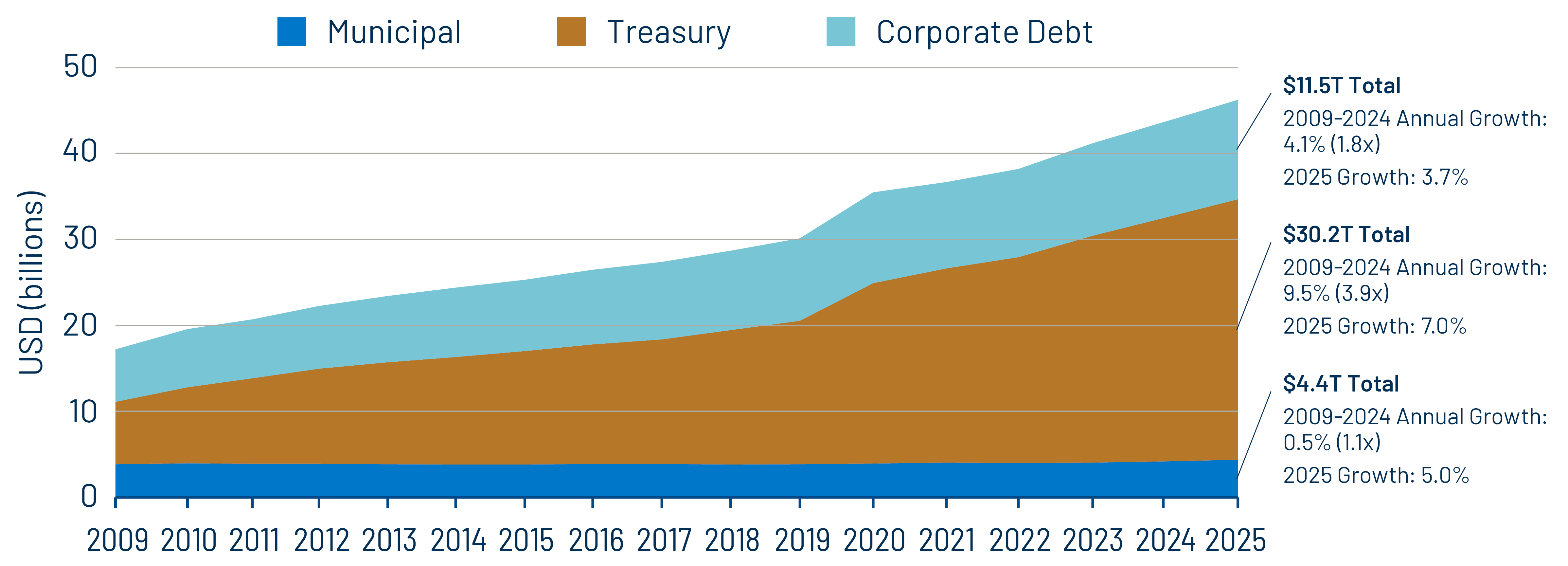
Exhibit 1: Municipal, Credit and Corporate Debt Outstanding
Municipal, Credit and Corporate Debt Outstanding
Source: Securities Industry and Financial Markets Association (SIFMA). As of 31 Dec 25. Select the image to expand the view.

So far in 2026, elevated supply trends have persisted. Including this week’s issuance, approximately $185 billion of new-issue supply through April represents roughly 7% above prior record-year levels, tracking toward an estimated $629 billion for the full year. Recent strength has been driven by a confluence of factors, including a rebound in infrastructure demand following subdued issuance during the rate volatility of 2022-2023, policy uncertainty surrounding the election and the passage of the “One Big Beautiful Bill” and ongoing inflationary pressures increasing the cost of infrastructure projects.
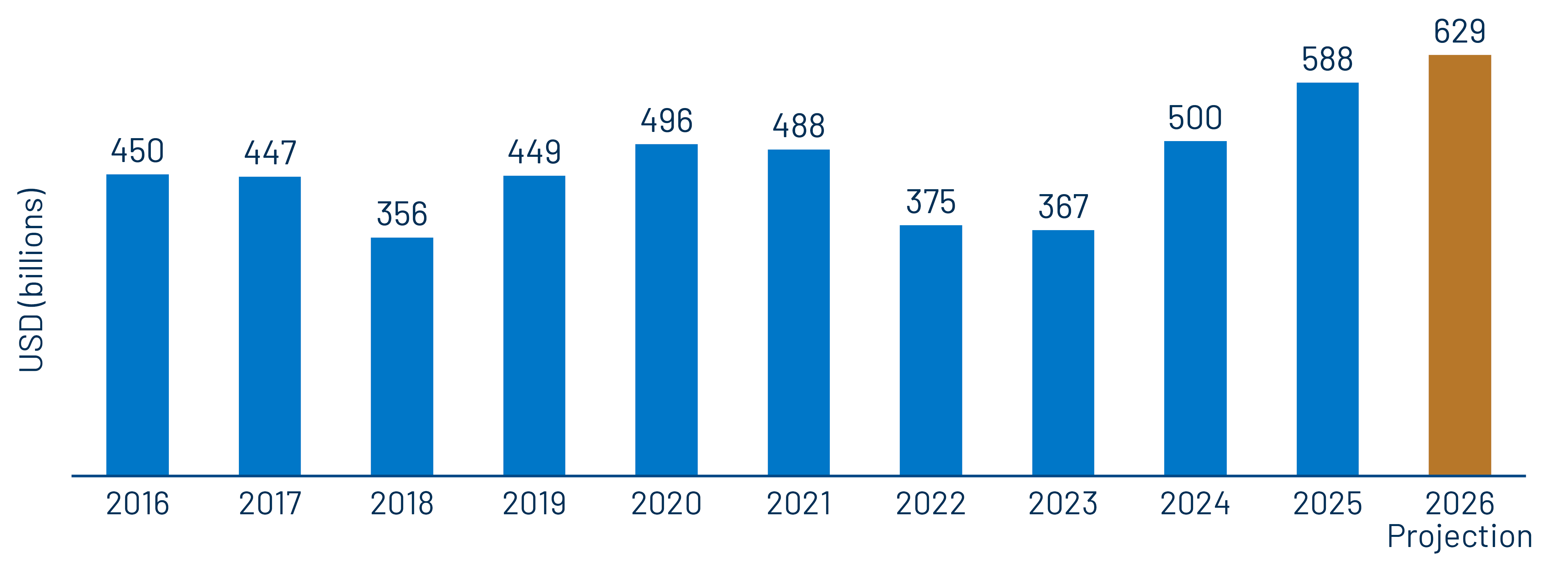
Exhibit 2: Total Municipal Supply
Total Municipal Supply
Source: Bloomberg, Western Asset. As of 24 Apr 26. Select the image to expand the view.

Looking ahead, we expect elevated municipal supply to persist. The One Big Beautiful Bill Act includes provisions that could further support issuance, including expanded use of private activity bonds, reduced thresholds for affordable housing projects and increased support for public-private partnerships. In addition, rising demand for data centers and broader infrastructure investment is likely to sustain issuance needs. As inflation continues to pressure key inputs and pandemic-era stimulus funds fade into 2026, municipalities may increasingly re-lever balance sheets, contributing to higher issuance.

From a valuation perspective, the increased supply observed over the past year has contributed to a steeper municipal yield curve, offering greater after-tax relative value and rolldown opportunities compared to other fixed-income markets. Higher supply levels also expand the opportunity set for active managers to tailor portfolios to specific client mandates. Western Asset believes investors with the flexibility to access the full breadth of the municipal market are well positioned to benefit from these dynamics and achieve improved after-tax outcomes.
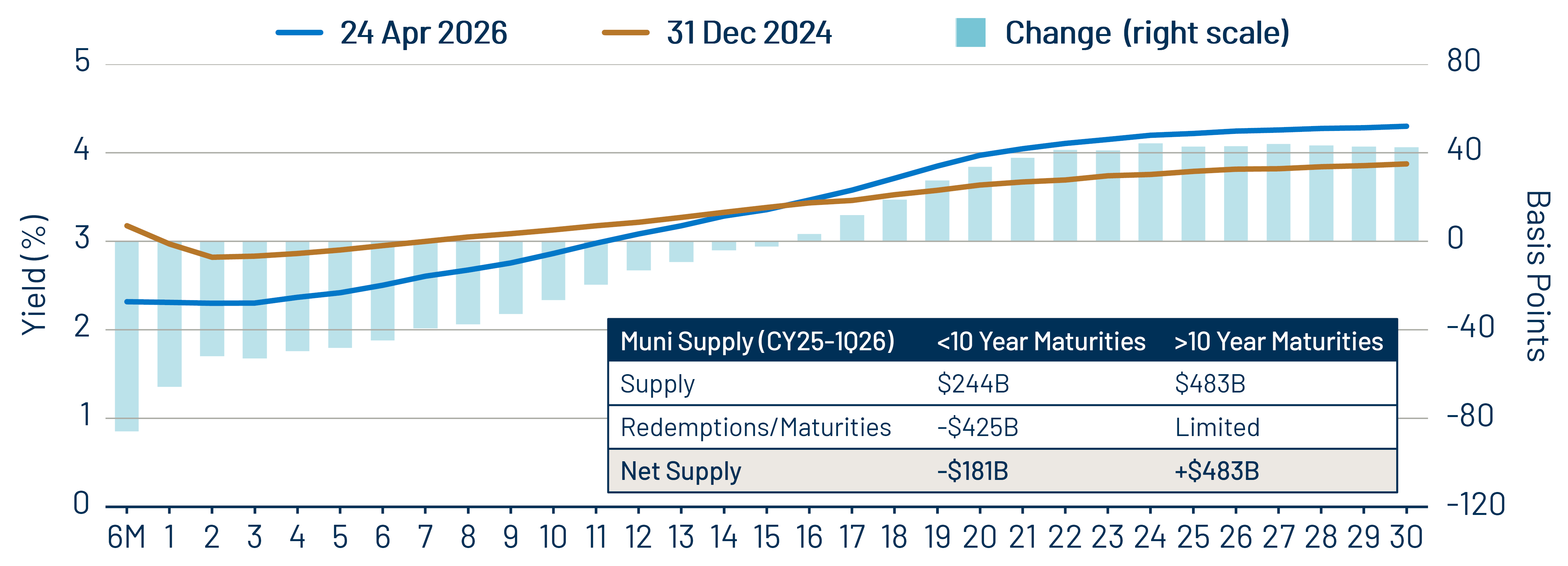
Exhibit 3: AAA Municipal Yield Curve
AAA Municipal Yield Curve
Source: Bloomberg. As of 31 Mar 26 (muni supply). As of 24 Apr 26 (yield curve changes) Select the image to expand the view.

Municipal Credit Curves and Relative Value
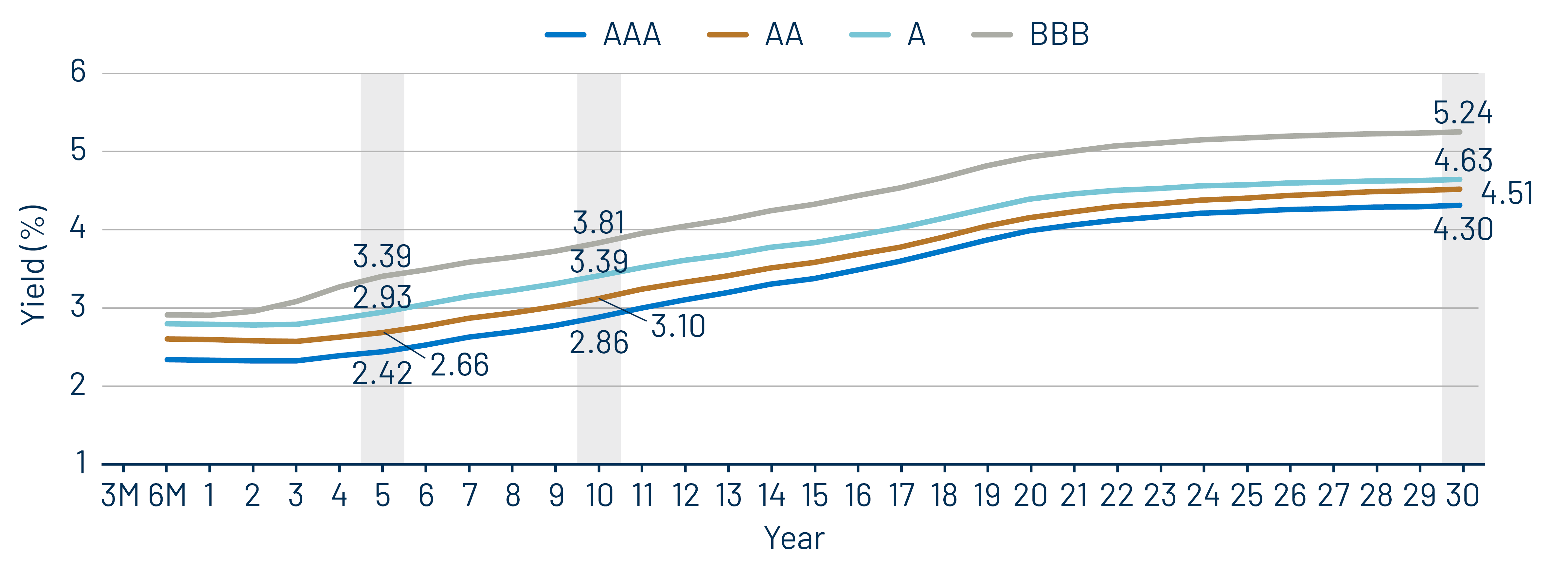
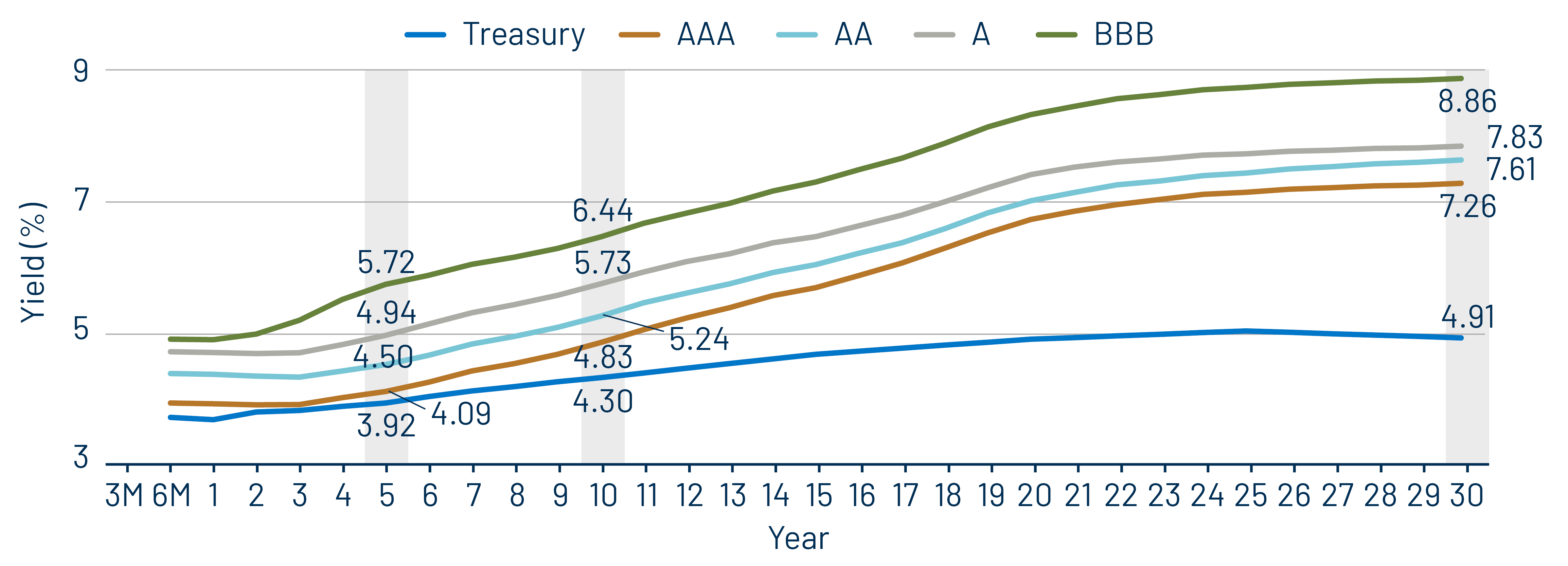
Exhibit 4: Muni Credit Curves
Source: Bloomberg, Western Asset. As of 24 Apr 26. Bloomberg Valuation Service (BVAL) Municipal Credit Indices (AAA, AA, A, BBB, respectively) and US Sovereign Curves. Taxable-Equivalent Muni Credit C
Source: Bloomberg, Western Asset. As of 24 Apr 26. Bloomberg Valuation Service (BVAL) Municipal Credit Indices (AAA, AA, A, BBB, respectively) and US Sovereign Curves. Taxable-Equivalent Muni Credit Curves consider the top marginal effective tax rate of 40.8%. AA Muni is represented by the US General Obligation AA Muni BVAL Yield Curve. The BVAL curve is populated with pricing from uninsured AA General Obligation bonds. A Muni is represented by the US General Obligation A Muni BVAL Yield Curve. The BVAL curve is populated with pricing from uninsured A General Obligation bonds. BBB Muni is represented by the US General Obligation BBB Muni BVAL Yield Curve. The BVAL curve is populated with pricing from uninsured BBB General Obligation bonds. Indices are unmanaged and one cannot directly invest in them. They do not include fees, expenses or sales charges. Past performance is not an indicator or a guarantee of future results. Select the image to expand the view.
Exhibit 5: Taxable-Equivalent Muni Credit Curves
Taxable-Equivalent Muni Credit Curves
Source: Bloomberg, Western Asset. As of 24 Apr 26. Bloomberg Valuation Service (BVAL) Municipal Credit Indices (AAA, AA, A, BBB, respectively) and US Sovereign Curves. Taxable-Equivalent Muni Credit Curves consider the top marginal effective tax rate of 40.8%. AA Muni is represented by the US General Obligation AA Muni BVAL Yield Curve. The BVAL curve is populated with pricing from uninsured AA General Obligation bonds. A Muni is represented by the US General Obligation A Muni BVAL Yield Curve. The BVAL curve is populated with pricing from uninsured A General Obligation bonds. BBB Muni is represented by the US General Obligation BBB Muni BVAL Yield Curve. The BVAL curve is populated with pricing from uninsured BBB General Obligation bonds. Indices are unmanaged and one cannot directly invest in them. They do not include fees, expenses or sales charges. Past performance is not an indicator or a guarantee of future results. Select the image to expand the view.
Exhibit 6: AAA Munis vs. Treasuries
AAA Munis vs. Treasuries
Source: Muni Yields: Thomson Reuters MMD, Treasury Yields: Bloomberg. As of 24 Apr 26. Past performance is not a guarantee of future results. It is not possible to invest directly in an index. Select the image to expand the view.
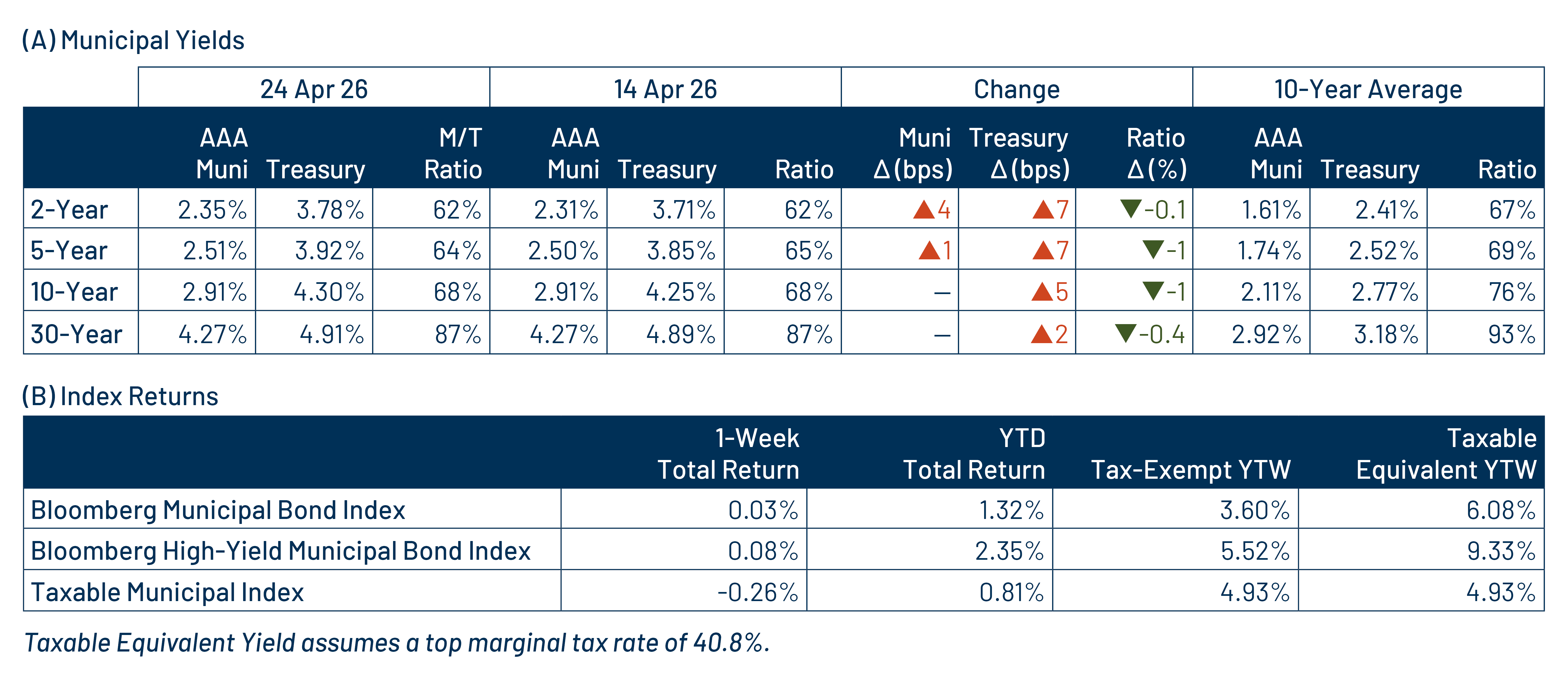
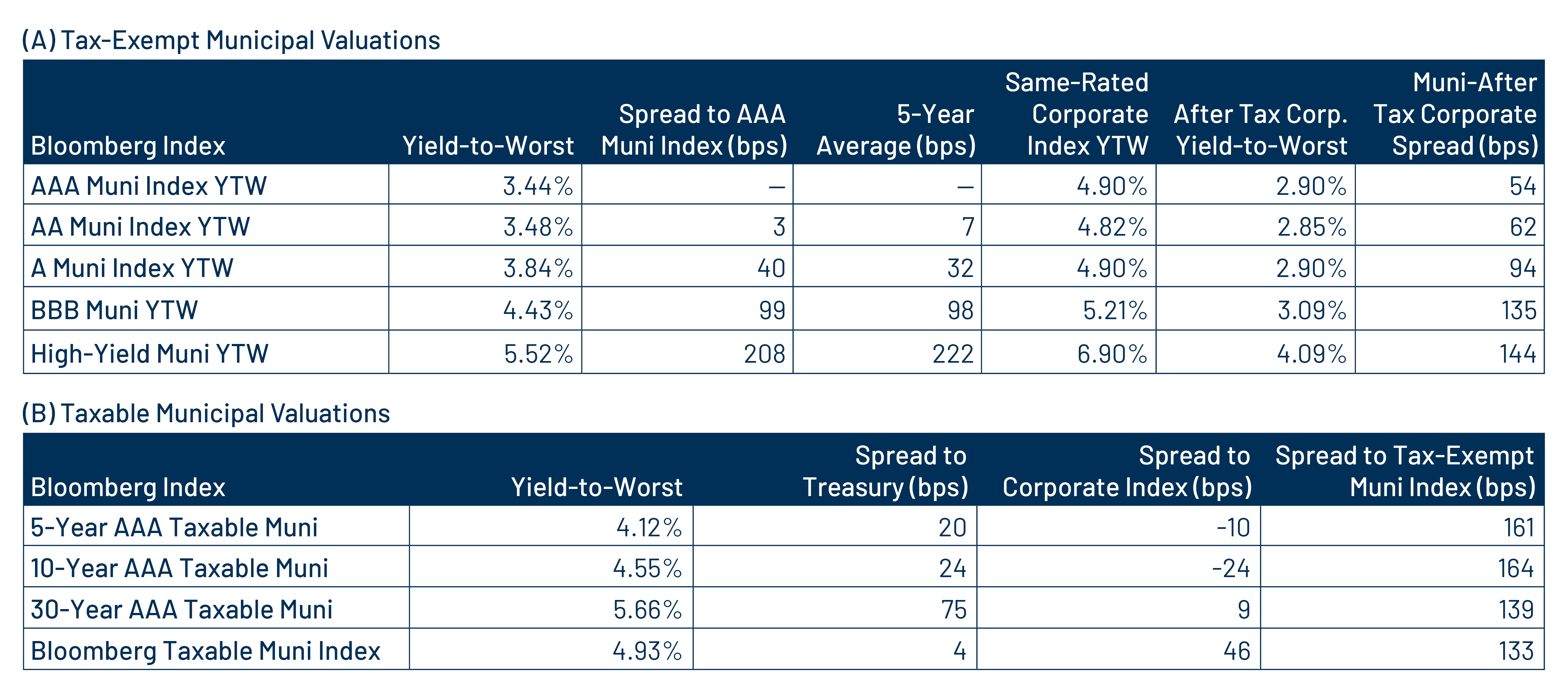
Exhibit 7: Tax-Exempt and Taxable Muni Valuations
Tax-Exempt and Taxable Muni Valuations
Source: Bloomberg, Western Asset. As of 24 Apr 26. Yield-to-worst (YTW) is the lowest potential yield that can be received on a bond without the issuer actually defaulting. AAA, AA, A, BBB Corporate Indices; After-Tax Yield assumes a top effective tax rate of 40.8%. Taxable Muni Index Corporate comparable used is the Global Corporate Aggregate (ex. BBB) to better align credit quality and duration. Select the image to expand the view.

Western Asset Key Themes for Muni Investors

Theme #1: Municipal taxable-equivalent yields moved lower from recent highs, but remain above historical averages..
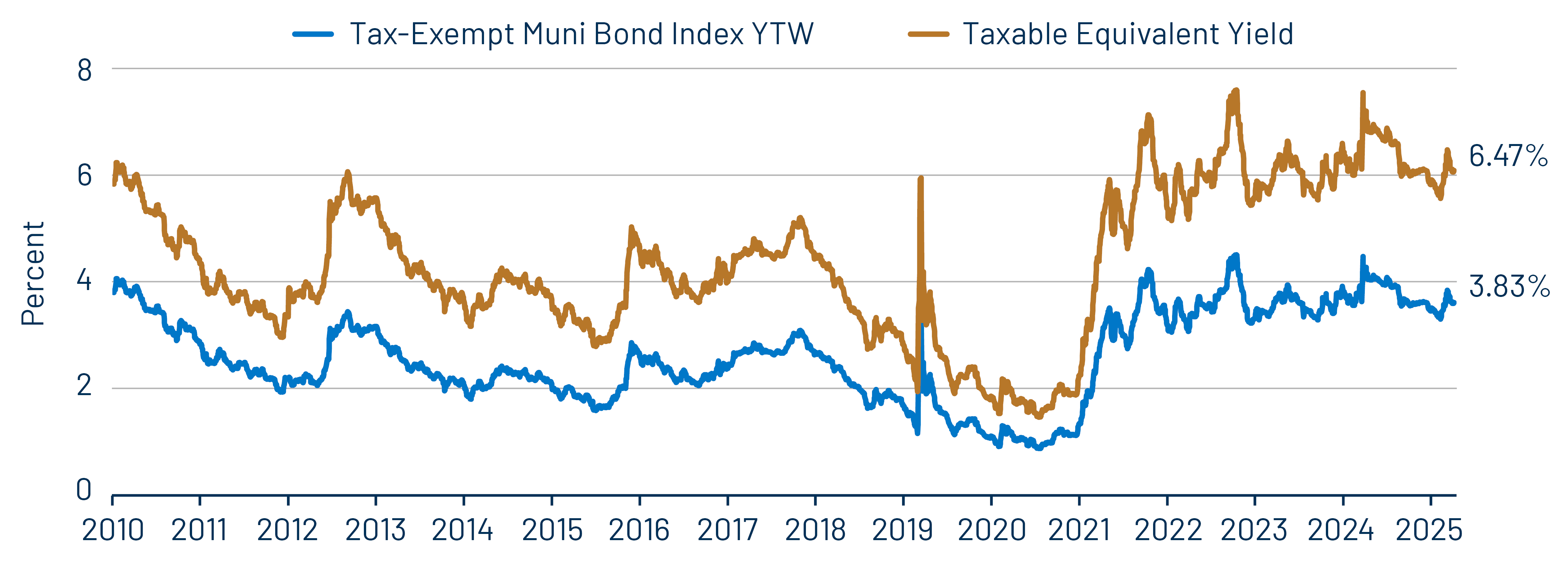
Exhibit 8: Muni and Taxable-Equivalent Muni Yield-to-Worst
Muni and Taxable-Equivalent Muni Yield-to-Worst
Source: Bloomberg, Western Asset. As of 24 Apr 26. Bloomberg Municipal Bond Index yield considering highest marginal tax rate of 40.8%. Indexes are unmanaged and one cannot directly invest in them. They do not include fees, expenses or sales charges. Past performance is not an indicator or a guarantee of future results. Select the image to expand the view.

Theme #2: Munis offer attractive after-tax yield pickup vs. longer-duration and lower-quality taxable alternatives.
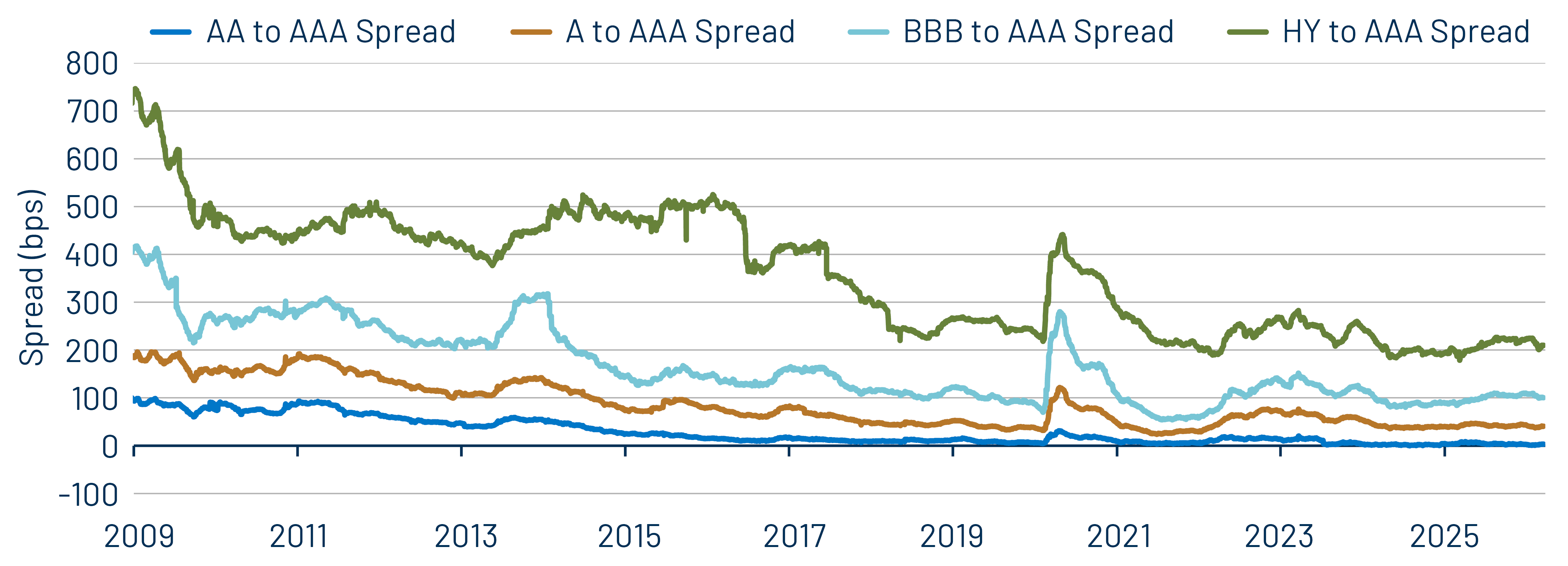
Exhibit 9: AAA Municipal vs. Treasury Yield Curves
AAA Municipal vs. Treasury Yield Curves
Source: Bloomberg, Western Asset. As of 24 Apr 26. Bloomberg Valuation Service (BVAL) AAA Muni Curve and US On-/Off-the-Run Sovereign Curve. Indexes are unmanaged and one cannot directly invest in them. They do not include fees, expenses or sales charges. Past performance is not an indicator or a guarantee of future results. Select the image to expand the view.

Theme #3: Historically tight municipal credit spreads underscore the importance of credit selection.
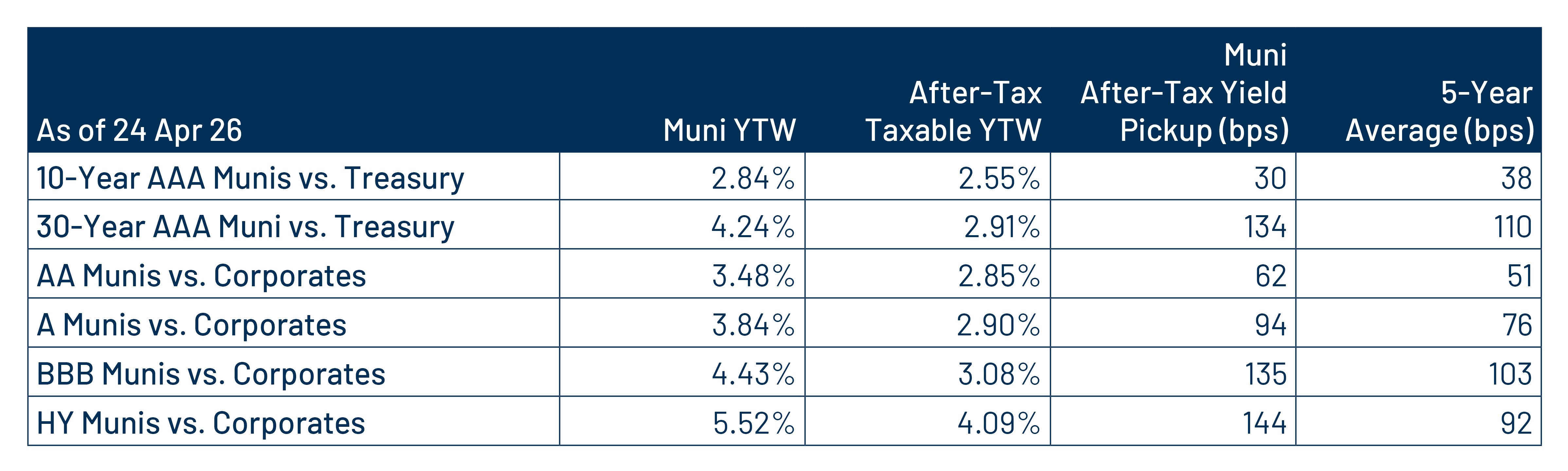
Exhibit 10: Municipal vs. Taxable Fixed-Income Yields by Quality
Municipal vs. Taxable Fixed-Income Yields by Quality
Source: Western Asset, Bloomberg. As of 24 Apr 26. 10- and 30-Year comparison reflects Bloomberg Valuation Service (BVAL) AAA Muni Curve and US On-/Off-the-Run Sovereign Curve. AA Muni reflects the Bloomberg AA Muni Bond Index. A Muni reflects the Bloomberg A Muni Bond Index. BBB Muni reflects the Bloomberg BBB Muni Bond Index. HY Muni reflects the Bloomberg High Yield Muni Bond Index. AA Corp reflects the Bloomberg AA Corporate Bond Index. A Corp reflects the Bloomberg A Corporate Bond Index. BBB Corp reflects the Bloomberg BBB Corporate Bond Index. After-tax yield considers the top marginal tax rate of 40.8%. Indexes are unmanaged and one cannot directly invest in them. They do not include fees, expenses or sales charges. Past performance is not an indicator or a guarantee of future results. Select the image to expand the view.

投資一任契約および金融商品に係る投資顧問料(消費税を含む):
投資一任の場合は運用財産の額に対して、年率1.10%(税抜き1.00%)を上限とする運用手数料を、運用戦略ごとに定めております。また、別途運用成果に応じてお支払いいただく手数料(成功報酬)を設定する場合があります。その料率は、運用成果の評価方法や固定報酬率の設定方法により変動しますので、手数料の金額や計算方法をこの書面に記載することはできません。

投資信託の場合は投資信託ごとに信託報酬が定められておりますので、目論見書または投資信託約款でご確認ください。有価証券の売買又はデリバティブ取引の売買手数料を運用財産の中からお支払い頂きます。投資信託に投資する場合は信託報酬、管理報酬等の手数料が必要となります。これらの手数料には多様な料率が設定されているためこの書面に記載することはできません。デリバティブ取引を利用する場合、運用財産から委託証拠金その他の保証金を預託する場合がありますが、デリバティブ取引の額がそれらの額を上回る可能性があります。その額や計算方法はこの書面に記載することはできません。投資一任契約に基づき運用財産の運用を行った結果、金利、通貨の価格、金融商品市場における相場その他の指標に係る変動により、損失が生ずるおそれがあります。損失の 額が、運用財産から預託された委託証拠金その他の保証金の額を上回る恐れがあります。個別交渉により、一部のお客様とより低い料率で投資一任契約を締結する場合があります。

© Western Asset Management Company Ltd 2026. 本資料の著作権は、ウエスタン・アセット・マネジメント株式会社およびその関連会社(以下「ウエスタン・アセット」という)に帰属するものであり、意図した受取人のみを対象として作成されたものです。本資料に記載の内容は、秘密情報及び専有情報としてお取り扱いください。ウエスタン・アセットの書面による事前の承諾なしに、全部又は一部を無断で複写、複製することや転載することを堅くお断りいたします。

過去の運用実績は将来の運用実績を示すものではありません。また、本資料は、将来の実績を予測または予想するものではありません。

本資料は、適格機関投資家、特定投資家、企業年金基金、公的年金等、豊富な投資経験と高度な専門知識とを備えたプロフェッショナルのお客様のみにご提供するものです。

本資料は情報の提供のみを目的としています。資料作成時点のウエスタン・アセットの見解を掲載したものであり、将来予告なしに変更する場合があります。また、リアルタイムの市場動向や運用に関する見解ではありません。

本資料で第三者のデータが使用されている場合、ウエスタン・アセットはそのデータが公表時点で正確であると信じていますが、それを保証するものではありません。ウエスタン・アセットの戦略・商品の受賞またはランキングが含まれている場合、これらは独立した第三者または業界出版物により公平な定量・定性情報に基づき決定されたものです。ウエスタン・アセットは、これらの第三者の標準的な業界サービスを利用したり、出版物を購読したりする場合がありますが、それらは、すべてのアセット・マネージャーが利用可能なものであり、ランキングや受賞に影響を与えるものではありません。

本資料に記載の戦略・商品には、元本の一部または全部の損失を含む大きなリスクが伴う場合があります。また、当該戦略や商品に投資することは大きな変動を伴う可能性があり、投資家にはそのようなリスクを受け入れる経済力および意思を持つことが求められます。

特段の注記がない限り、本資料に記載の戦略のパフォーマンスはコンポジットのデータです。コンポジットではないその他のデータについては、当戦略の運用方針に最も近いと考えられる口座を、コンポジットの代表口座として掲載しています。つまり、代表口座は運用結果により選択されるものではありません。代表口座のポートフォリオ特性は、コンポジットやその他のコンポジット構成口座と異なる場合があります。これらの口座についての情報はご依頼に応じてご提供いたします。

本資料に記載している内容は、ウエスタン・アセットの投資家に対する投資助言ではありません。個別銘柄・発行体に関する一般的または具体的に言及する内容は、例としてご提示したものであり、購入または売却を推奨するものでもありません。また、ウエスタン・アセットの役職員及びお客様は、本資料に記載の有価証券を保有している可能性があります。

本資料は、会計、法務、税務、投資またはその他の助言の提供を意図したものではなく、またそれらに依存すべきではありません。お客様は、ウエスタン・アセットが提供する戦略・商品への投資を行うにあたり、経済的リスクやメリットなどについて助言が必要である場合は、ご自身の弁護士、会計士、投資家、税理士、その他のアドバイザーに相談して下さい。お客様は、居住国で適用される法令を遵守する責任を負います。

ウエスタン・アセットは世界有数の運用専門会社です。1971年の設立以来、債券運用に特化したアクティブ運用機関として最大規模の運用資産と運用チームを有しています。拠点は米国カリフォルニア州パサデナ、ニューヨーク、英国ロンドン、シンガポール、東京、豪メルボルン、香港、スイス・チューリッヒにあり、フランクリン・リソーシズIncの完全子会社ですが、経営全般に独立性を保っております。構成法人:米国:ウエスタン・アセット・マネジメント・カンパニーLLC(米証券取引委員会(SEC)登録の投資顧問会社)。オーストラリア・メルボルン:ウエスタン・アセット・マネジメント・カンパニーPty Ltd(事業者番号ABN 41 117 767 923。オーストラリア金融サービスライセンス(AFSL)番号303160(オーストラリア証券投資委員会(ASIC)が規制)。シンガポール:ウエスタン・アセット・マネジメント・カンパニーPte. Ltd.(CMSライセンスCo. Reg. No. 200007692R、シンガポール通貨監督庁が監督)。日本:ウエスタン・アセット・マネジメント株式会社(金融商品取引業者、金融庁が規制)。英国:ウエスタン・アセット・マネジメント・カンパニーLimited(英金融行動監視機構(FCA)が認可(FRN145930)、規制)。本資料は英国ではFCAが定義する「プロフェッショナルな顧客」のみを対象とした宣伝目的に使用されます。許可された欧州経済領域 (EEA)加盟国へ配信する場合もあります。最新の承認済みEEA加盟国のリストは電話(+44 (0)20 7422 3000)にてお問い合わせください。

詳細は当社ウエブサイトwww.westernasset.co.jpをご参照ください。

ウエスタン・アセット・マネジメント株式会社について
業務の種類: 金融商品取引業者(投資運用業、投資助言・代理業、第二種金融商品取引業)
登録番号: 関東財務局長(金商)第427号
加入協会: 一般社団法人資産運用業協会(会員番号011-01319)